New Zealand
Dramatic fjords, volcanic landscapes, and endless adventure from bungee jumping to glacier hikes.
New Zealand
Things To Consider Before Visiting
- Best time to visit: December to February (summer) for hiking and beaches
- English is the official language
- Local currency is New Zealand Dollar (NZD); cards widely accepted
- Drive on the left; roads are well-maintained but rural areas can be winding
- Mobile coverage is limited in some remote regions
- Weather is unpredictable; pack layers and waterproofs
- No dangerous wildlife, but biosecurity rules are strict (no food/plants)
- Medical care is high quality, but travel insurance is advised
- Respect Māori culture; learn basic customs and greetings
Visa Requirements
- NZeTA (New Zealand Electronic Travel Authority) is required for visa-waiver countries
- Pay the IVL (International Visitor Conservation and Tourism Levy) during application
- Passport must be valid for at least 3 months beyond your expected departure date
- Proof of return/onward ticket is often required
- Show evidence of sufficient funds to cover your stay
- Visitors from non-waiver countries must apply for a Visitor Visa
- Visitor Visa can be valid for up to 9 months
- Travel insurance is advised, though not mandatory
- You must be a genuine tourist; not seeking work or long-term stay
Best Time to Visit: December to February (summer) for hiking and beaches
Top Attractions

- Milford Sound; Stunning fjord with waterfalls and cruises
- Queenstown; Adventure capital for bungee, jet boating, and skiing
- Rotorua; Geothermal geysers, mud pools, and Māori cultural villages
- Tongariro National Park; Dramatic volcanic landscapes and hiking trails
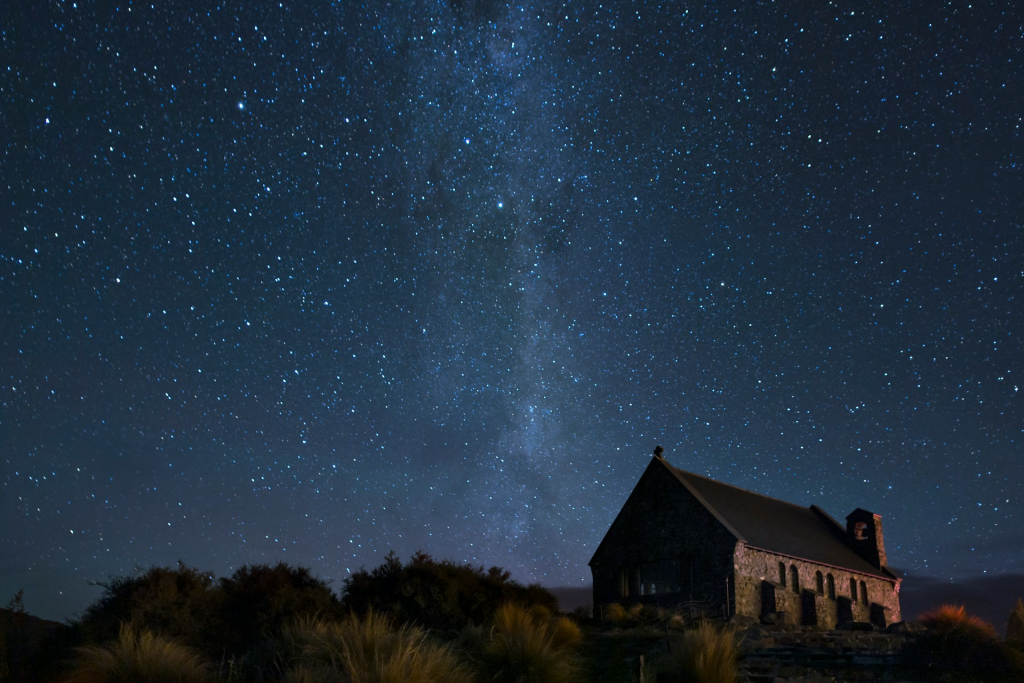
- Lake Tekapo; Scenic Lake with Church of the Good Shepherd and stargazing
- Franz Josef Glacier; Walk or heli-hike on this accessible glacier
- Bay of Islands; Beautiful beaches, dolphin cruises, and sailing
- Waiheke Island; Wine tours and coastal walks near Auckland
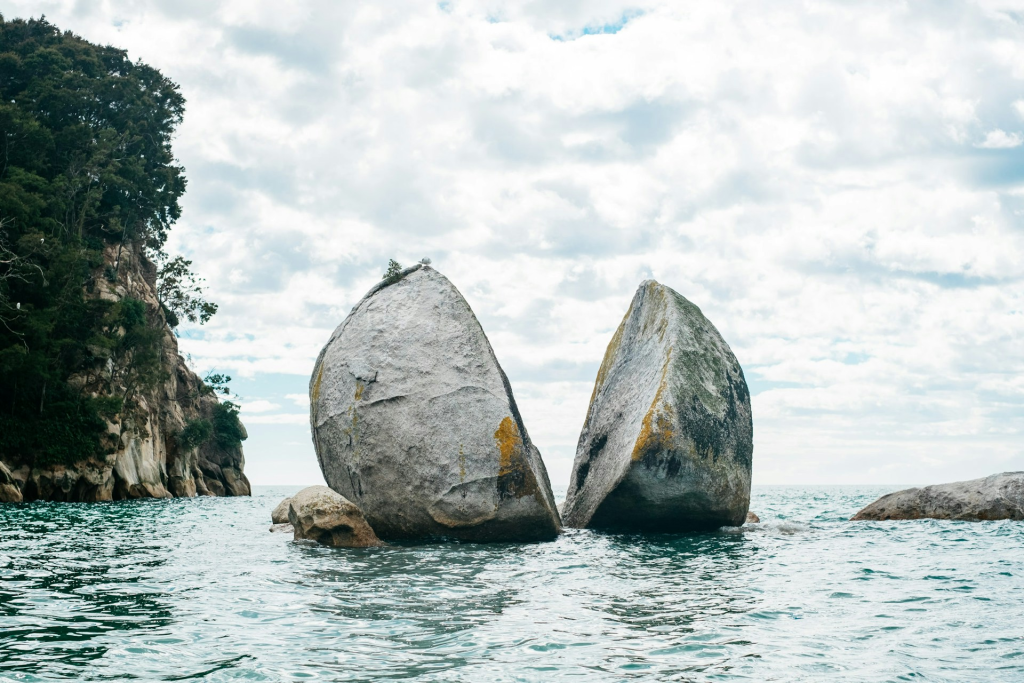
- Abel Tasman National Park; Golden beaches and kayaking trails
- Hobbiton; Film set from The Lord of the Rings and The Hobbit
- Company
- Subscribe
Escape the ordinary and discover the world with our exclusive vacation packages and travel services.